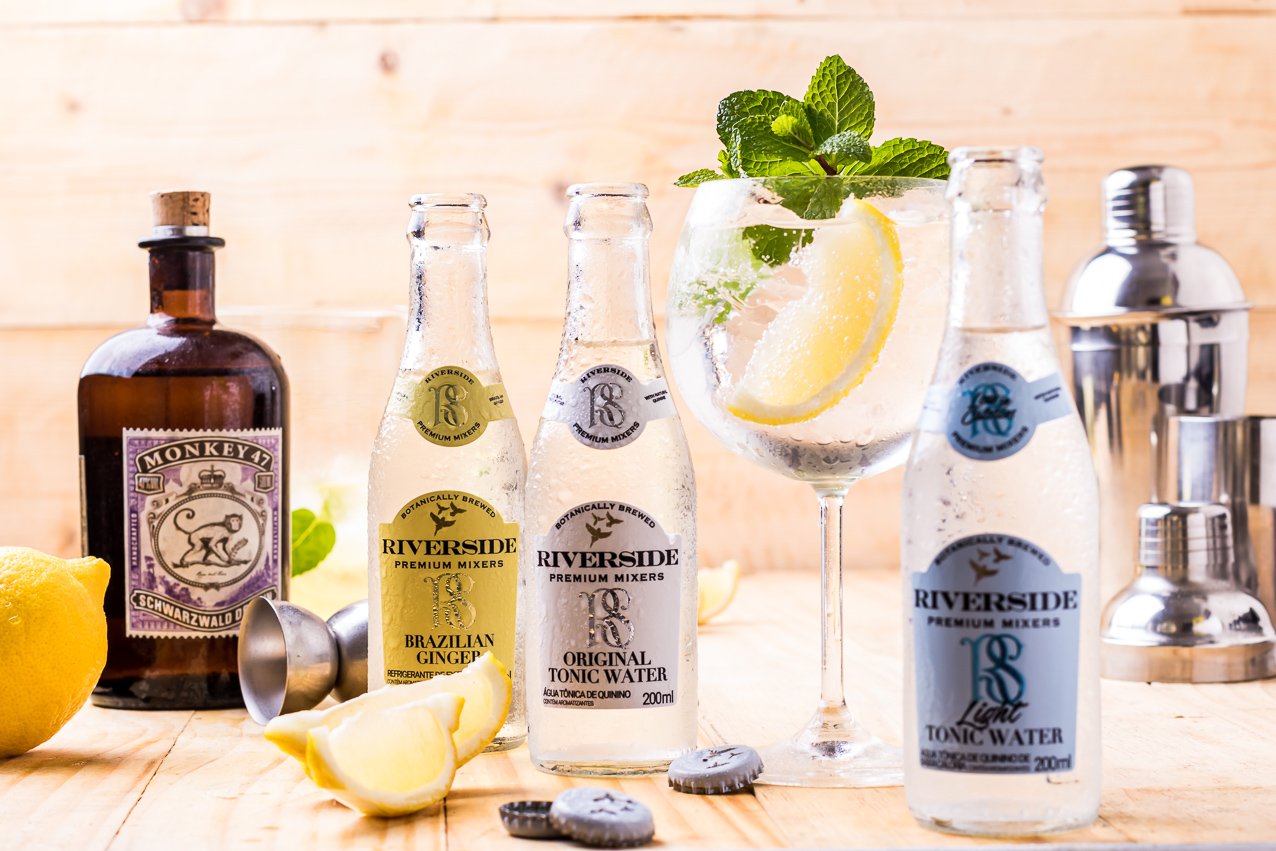
Brazil's first premium mixer — a proprietary brand born to elevate national cocktail culture, uniting origin ingredients, authored design and commercial strategy.
Riverside was born at a moment when Brazilian cocktail culture was rapidly sophisticating. The gin & tonic had become an aspirational consumption ritual, but the market still treated the mixer as a secondary element of the drink — a space that belonged to the spirit, the glass, the garnish, the ice. The mixer remained a commodity.
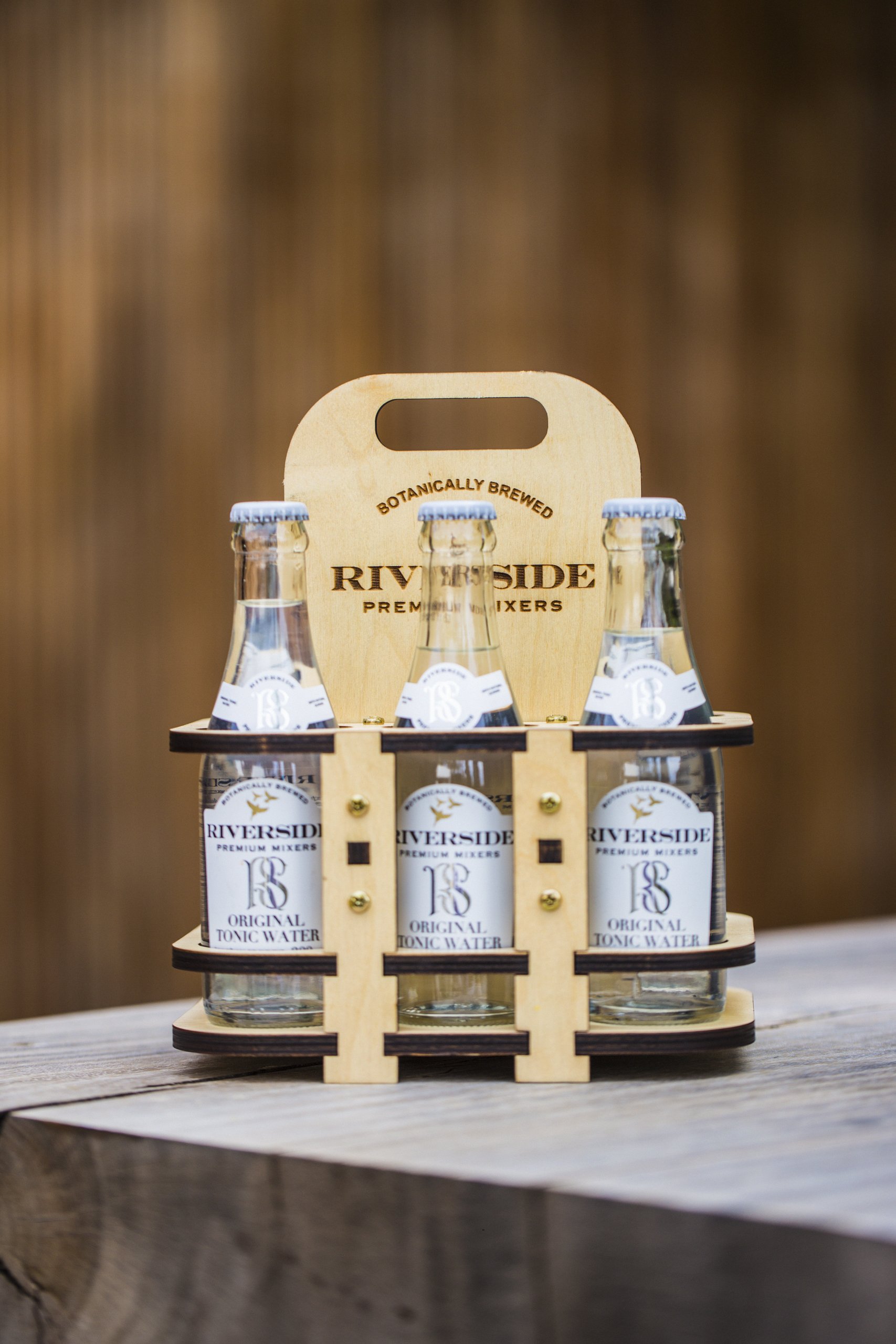
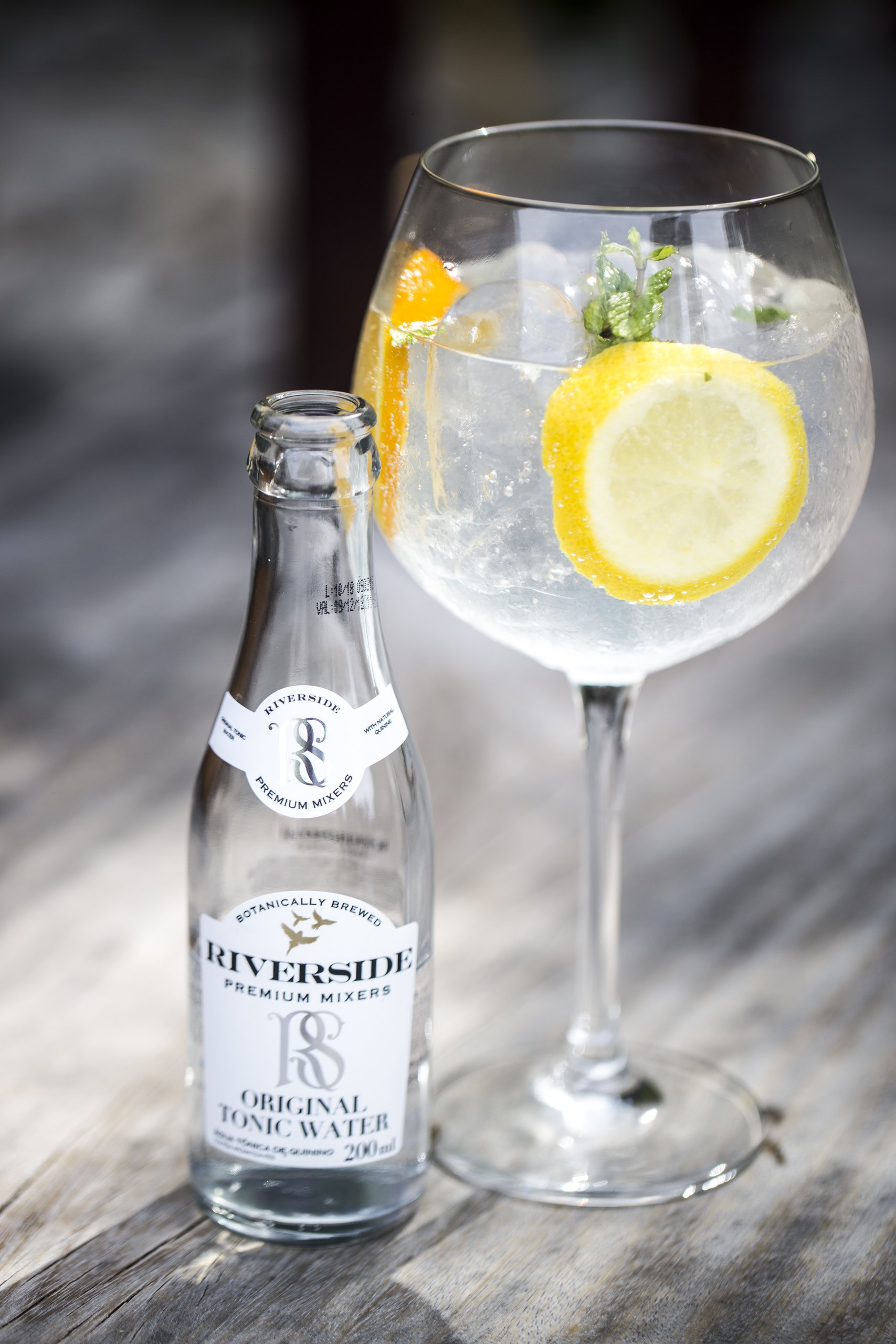
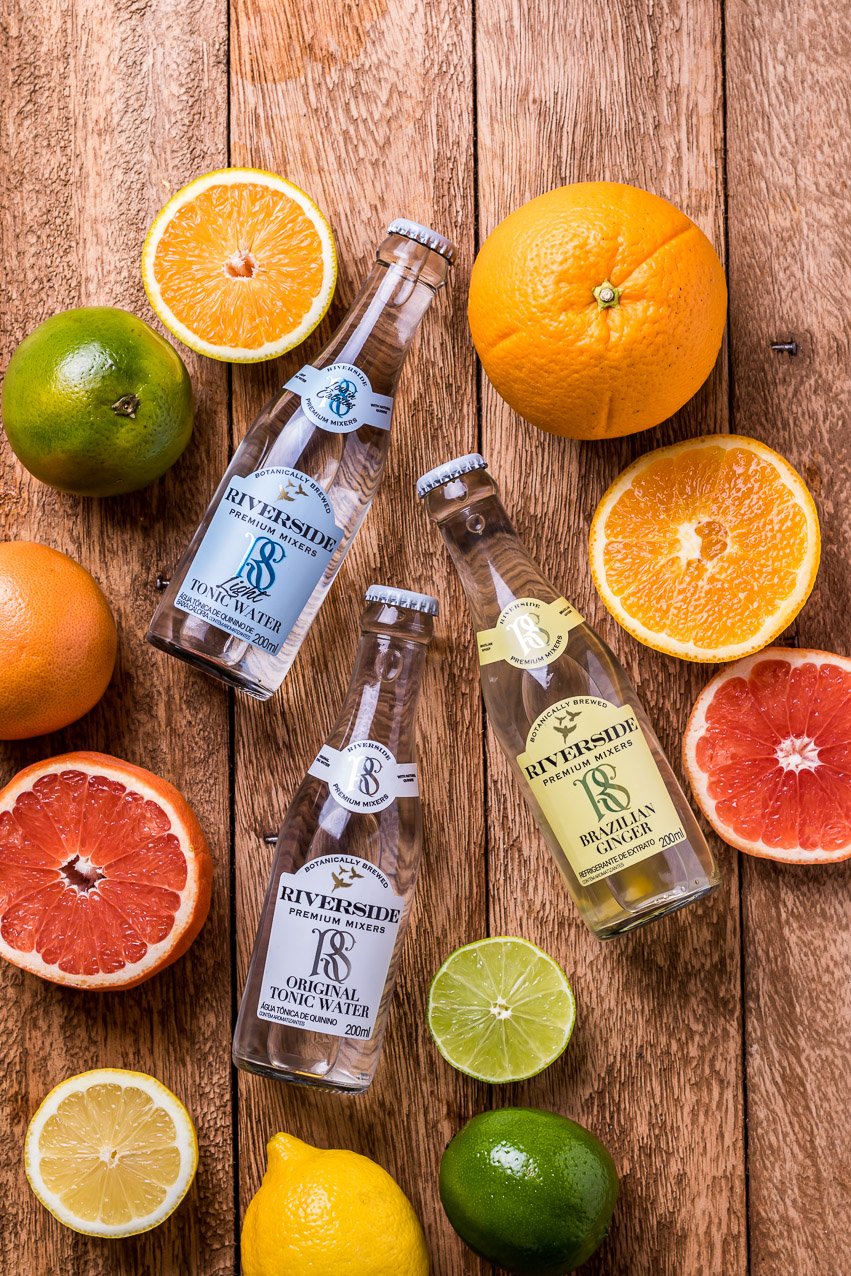
The thesis was simple and powerful: if consumers were already seeking better gins, vodkas, spirits and experiences, they would also start demanding quality in the mixer — which represents a substantial part of any drink's sensory composition. In 2018, Single Brands created Riverside Original Tonic Water as the Brazilian answer to this global movement, with ingredients, an origin narrative and design capable of competing with international brands.
Riverside was not created merely as a tonic water. It was created as a category brand. The vision was to capture a cultural transition — the Brazilian consumer was moving from drinking out of habit to building experiences. The drink became a small ritual of choice: spirit, ice, glass, garnish, mixer, occasion, ambiance. In that scenario, the mixer ceased to be a commodity and became a silent protagonist.
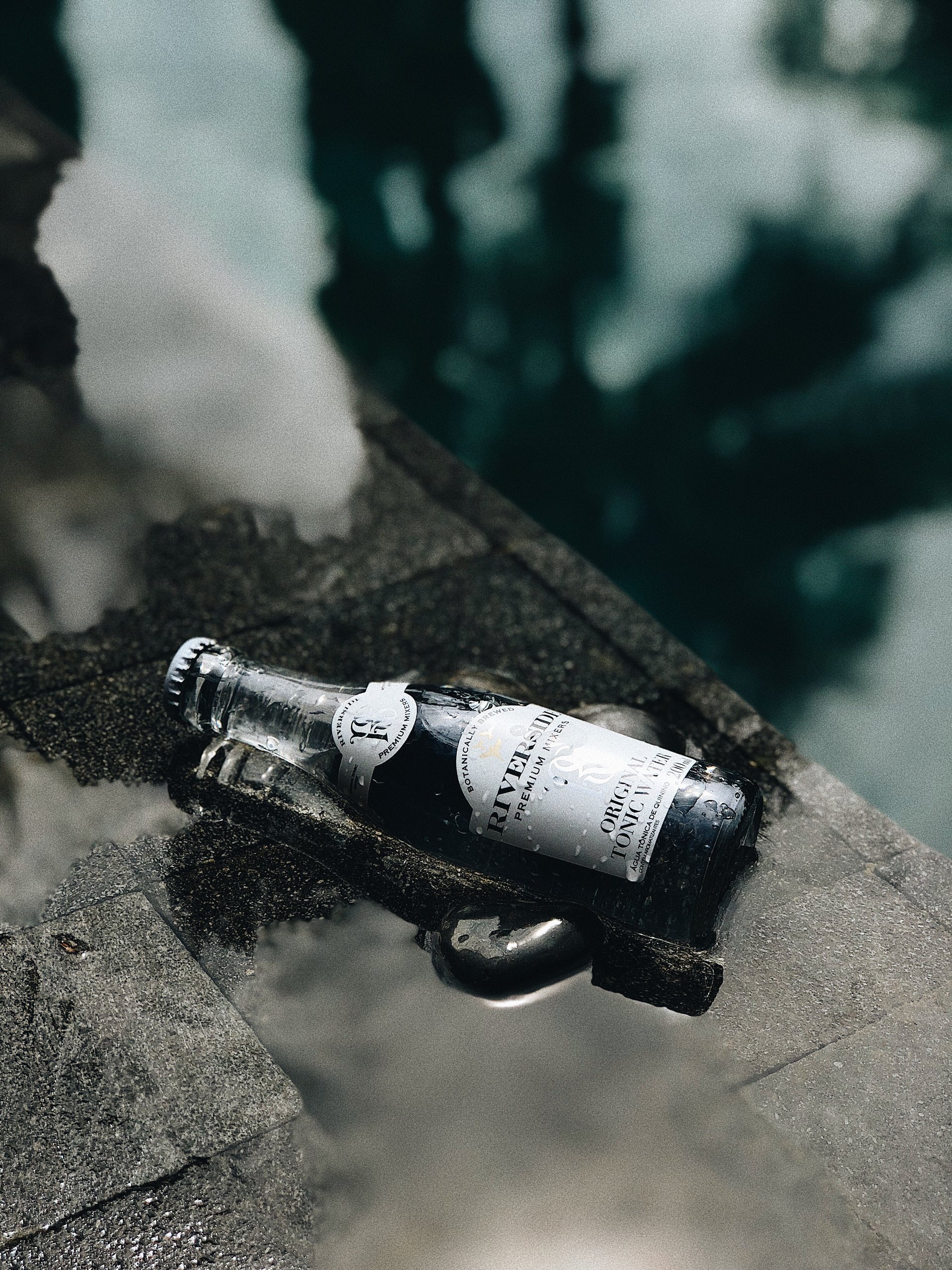
The brand occupied an empty space: a Brazilian premium brand, with contemporary language, origin ingredients (natural Amazonian quinine, Californian bitter orange), proprietary visual identity and a narrative connected to nature, cocktail culture and urban lifestyle. Brazil as origin, not as folklore — no tropical caricature, with international standards.
Positioning was calibrated in a strategic accessible-premium tier: above traditional tonics (~R$ 2 per unit), but below imported benchmarks (Fever-Tree around R$ 12), with Riverside near R$ 7.50 per can and R$ 8 per bottle — a bridge between aspiration and access.
Lucas Albuquerque acted as founder of the brand alongside the Single Brands partners. His contribution involved the strategic conception of Riverside, the market opportunity reading, premium positioning, brand architecture and creative direction of the packaging — the visual language that helped turn the product into an object of desire within Brazilian cocktail culture. The role extended from founding to commercial policy, from go-to-market to the brand's connection with lifestyle, music, events and opinion-makers.